Resurfacing and Overlays
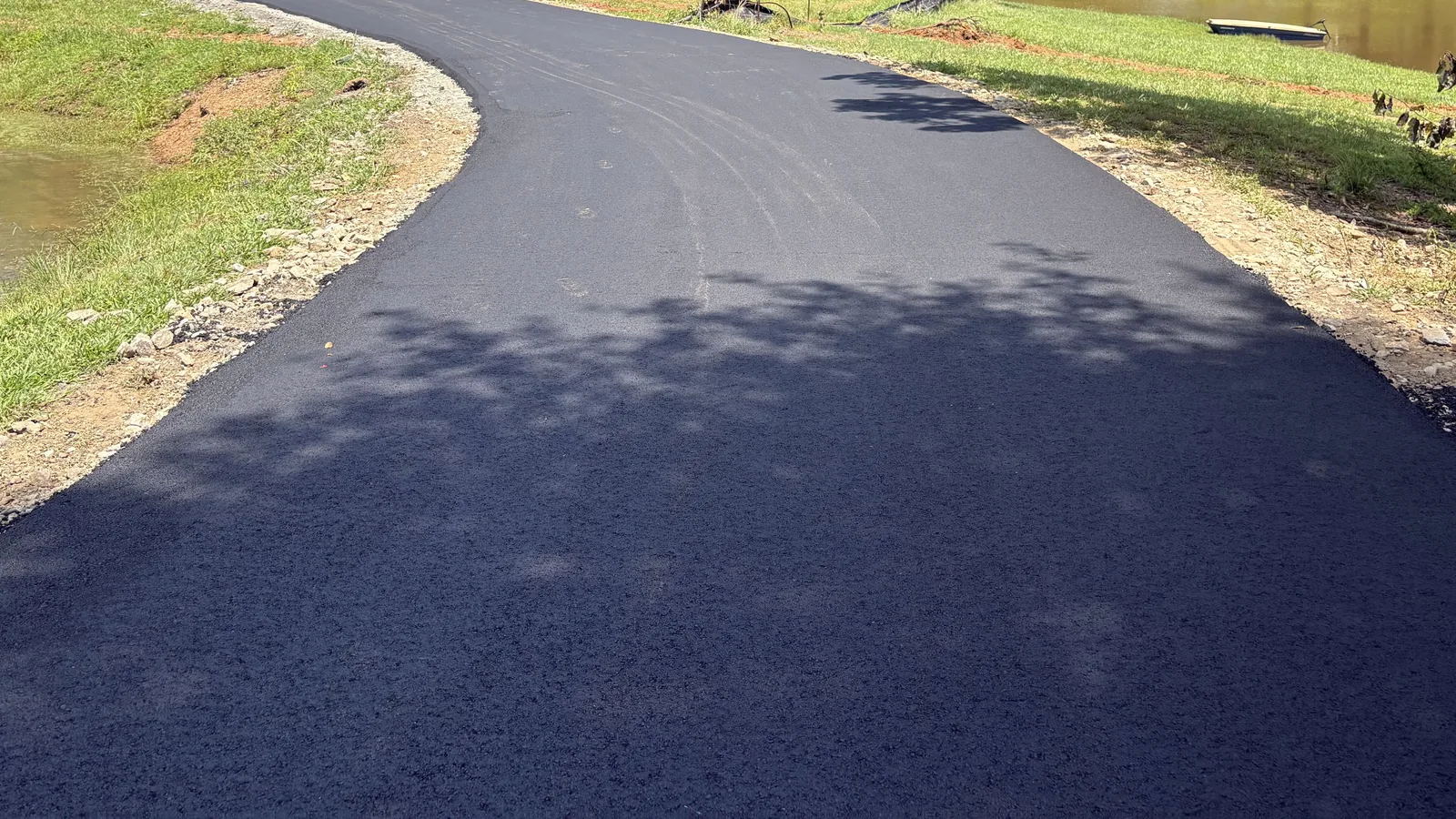
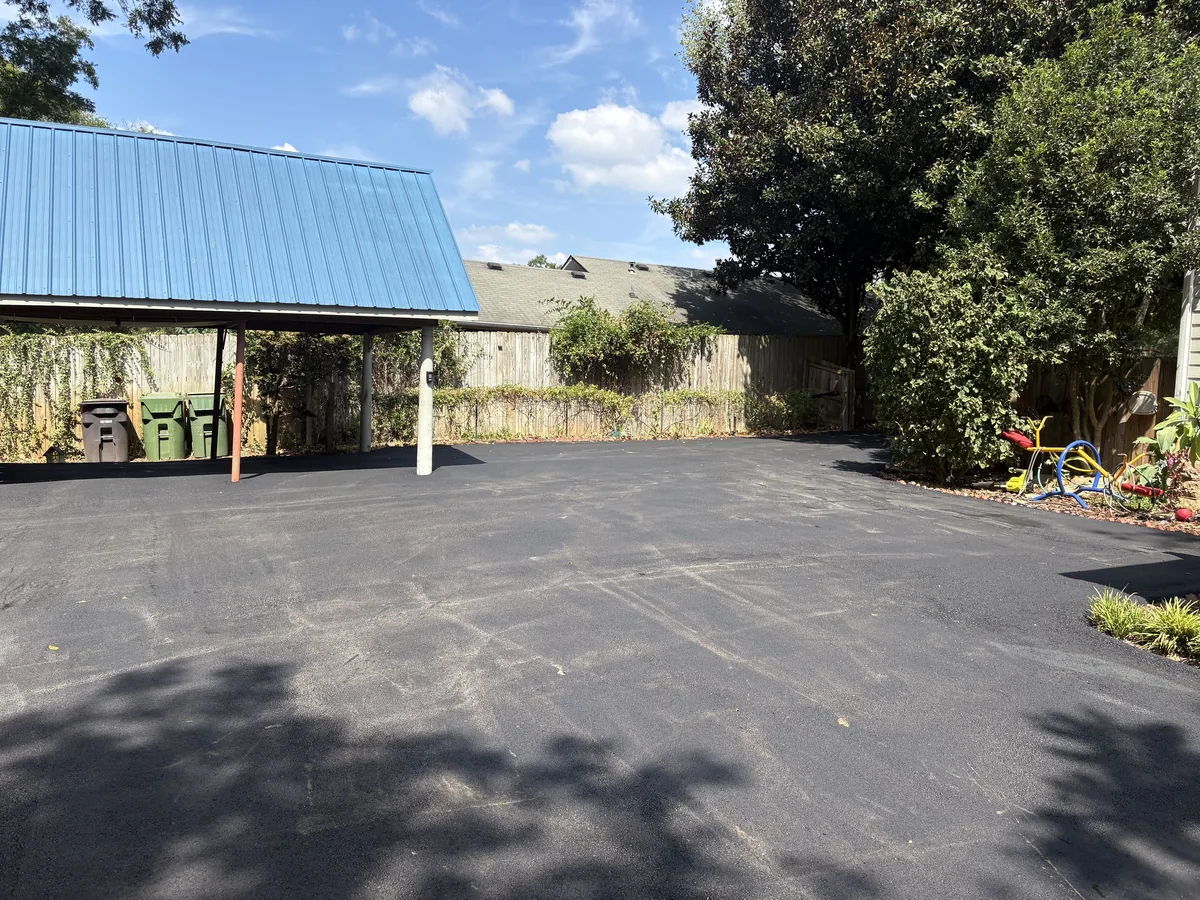
Asphalt resurfacing puts a new layer of hot mix over pavement that is still sound underneath. We level the low spots, repair what has failed and keep the tie-ins flush at the garage, the walks and the road.
Learn More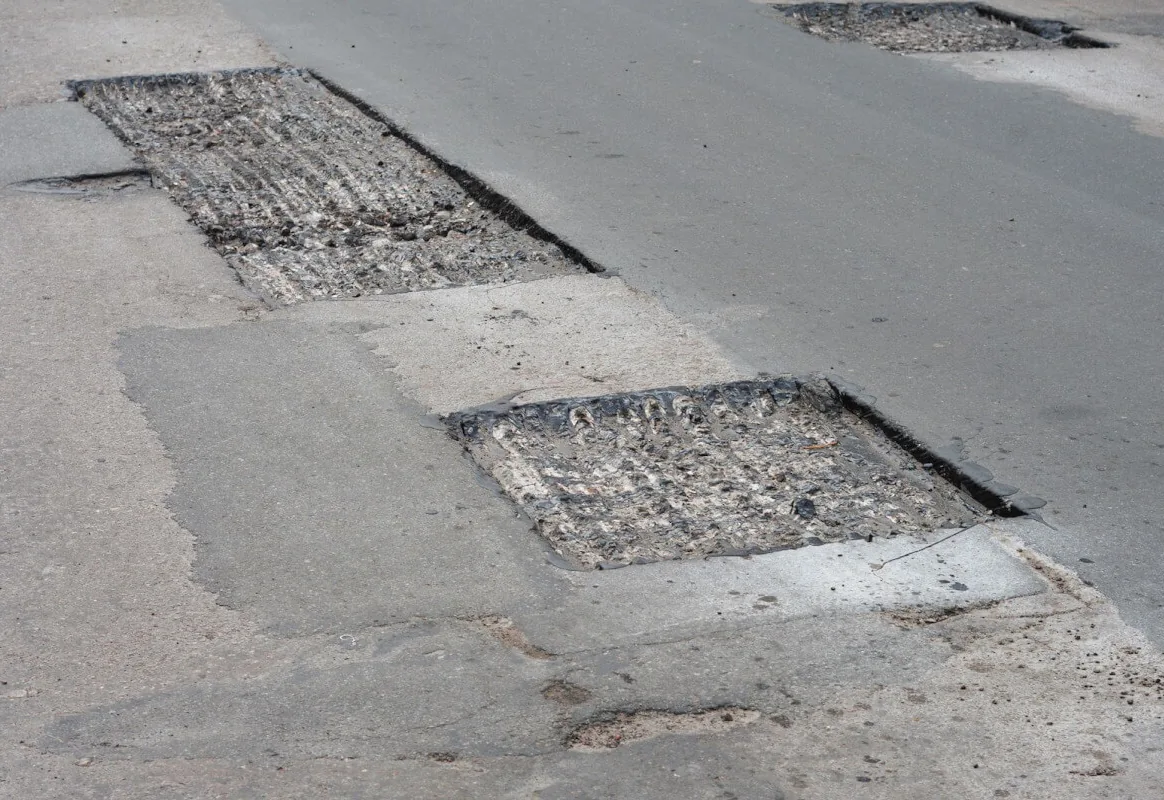
Asphalt repair starts with the reason the pavement broke. A pothole in a driveway or a lot means water got under the surface and the base gave way. We come out, look at the site and measure the areas that need work. Then we patch what can be patched and tell you where it needs more than a patch.
Patching is money well spent while the rest of the pavement is sound. When the base still holds and only the surface is worn, an asphalt overlay costs less than a tear out. When the base has failed under most of it, the drive comes out and goes back as new asphalt paving. We tell you which one you are looking at.
Tell us about the job and where it is. We will call or text you back.
Water is behind most of it. The Federal Highway Administration's pothole repair manual points at moisture, freeze and thaw, traffic and poor support underneath. Georgia red clay holds water and softens when wet. A soft spot in the base sinks, the surface breaks through, and the hole opens up.
Heavy loads break pavement where the wheels track. Federal raters call that fatigue cracking, and the late stage looks like chicken wire. Georgia DOT reads widespread wheel path cracking as a sign the pavement lacks structural strength. In a lot you see it first where delivery trucks swing in.
Tree roots and open edges do the rest. UGA Extension says most active roots sit in the top 12 inches of soil. Roots run shallower in heavy soil like our clay, so they travel under the edge and lift it. Pavement that ends on dirt has nothing holding the edge, so it crumbles from the outside in.
A patch holds when it is cut into solid pavement. The federal pothole manual says to square up the sides until vertical edges stand in sound pavement. That gives the new asphalt something firm to compact against. So we dig the soft base out and compact new stone before the asphalt.
Hot mix goes in next and gets rolled while it is hot. Compaction ties the patch to the pavement around it. Cold patch out of a bag is what most stores sell, and it buys time on a hole. The same federal manual calls patching a temporary repair at best until the failed area is rebuilt full depth.
Washed out edges and sunken spots get the same approach. Rain cuts the dirt out from under the edge, and the asphalt breaks off with nothing under it. We build the shoulder back, then patch the edge so water runs off the pavement. Settlement over an old utility cut gets cut out or leveled back flush.
In a parking lot a pothole is a trip hazard first. The 2010 ADA Standards hold a change in level on an accessible route to a quarter inch. Half an inch is allowed when the edge of the change is beveled. A pothole in a walking route is well past those limits.
We patch lots for shops, churches, warehouses and apartment properties around Cartersville and Northwest Georgia. We plan the work in phases with you so the business can stay open. Where a patch covers old stall lines, the lines get painted back on.
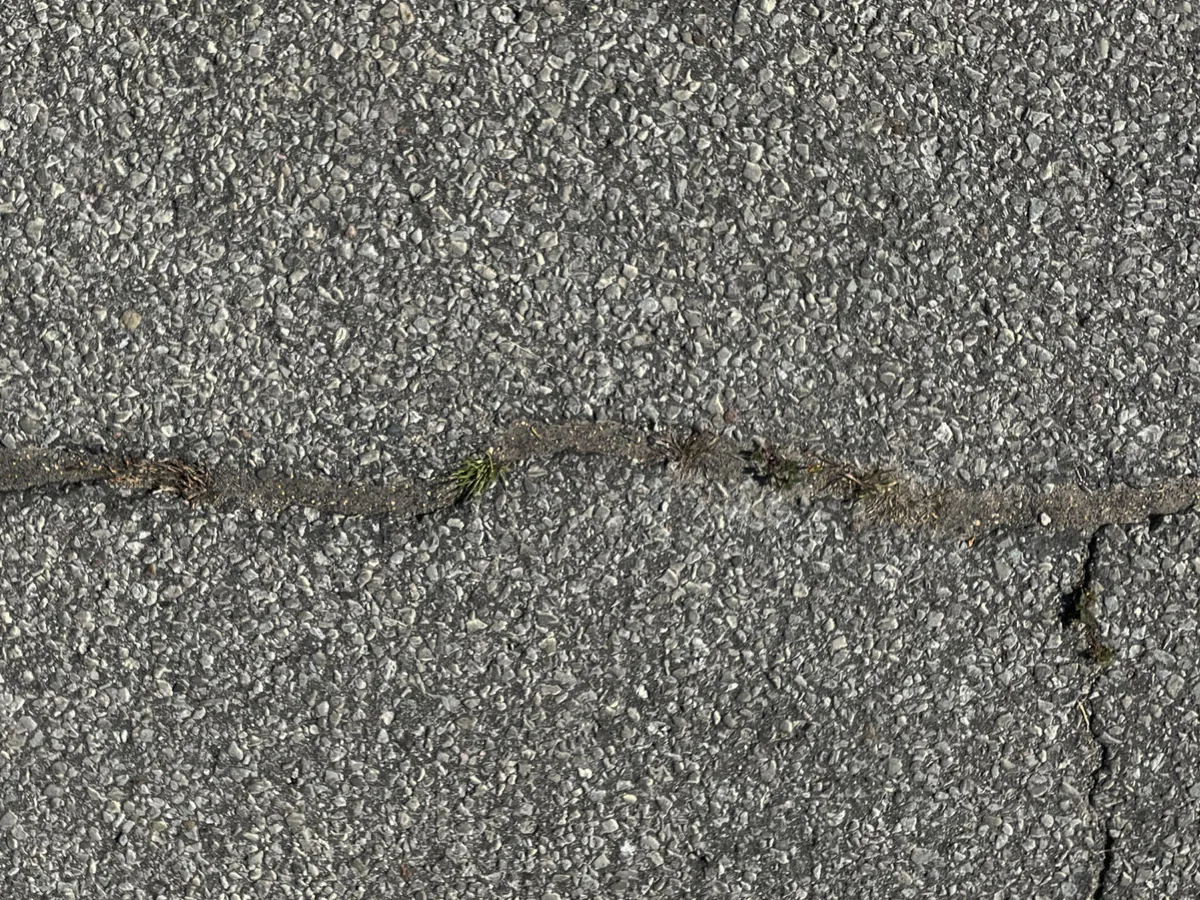
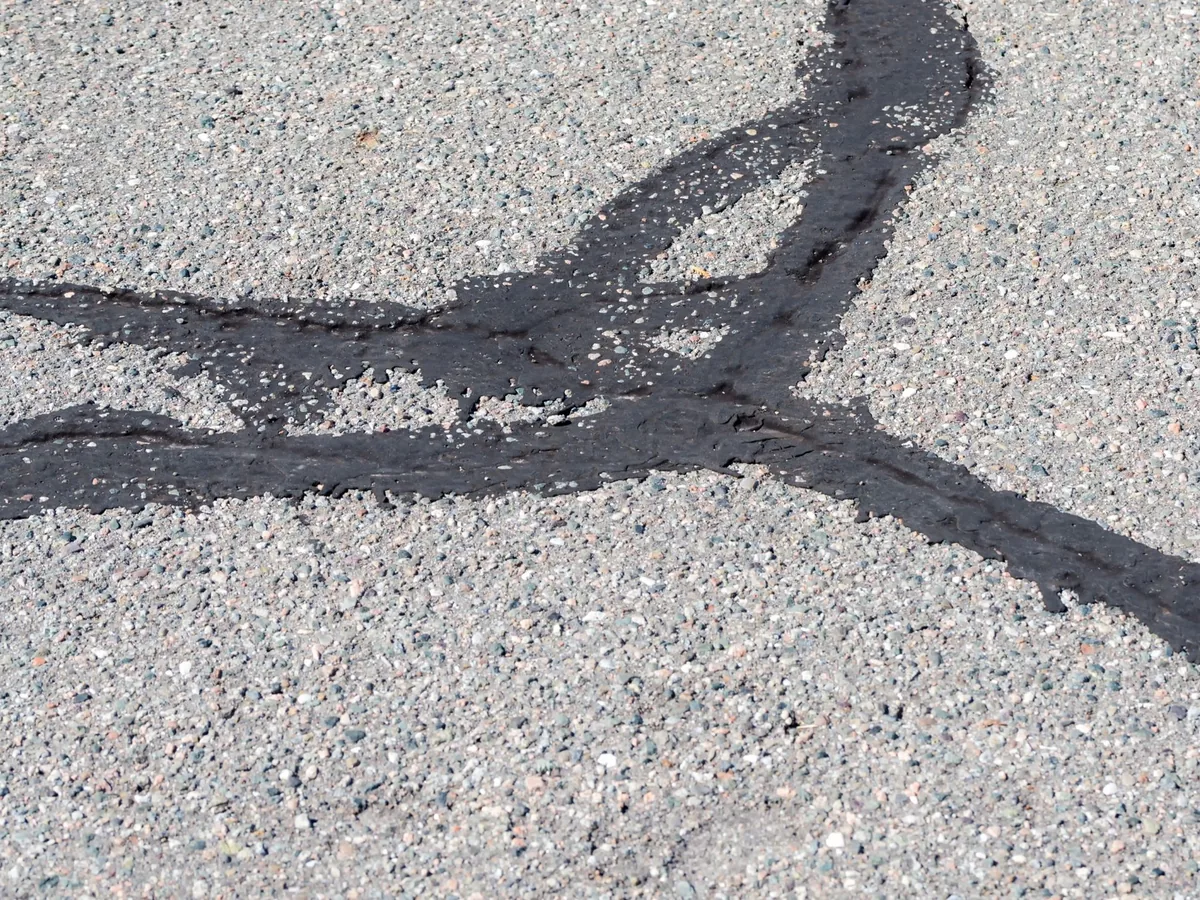
Crack filling on a lot is about water. The Federal Highway Administration describes crack filling as placing material in cracks to cut down water getting in. Once water is under the pavement, the base softens and the potholes come back. On a lot or a drive, cracks get cleaned out and filled before any sealer goes on.
Site visits and estimates across Northwest Georgia and the north side of metro Atlanta, about 50 miles around Cartersville.
(706) 844-2123From the first call to the day you can drive on it, here is how it goes.
Call or text (706) 844-2123, or send the form on this site. Tell us what you have and what you want paved.
We come to the property, look at the site and measure it. Then you get an estimate with the square footage, the base work and the asphalt thickness.
We shape the site so water runs off it. Stone base goes down and gets compacted in layers, or failed pavement comes out first.
Hot mix asphalt goes down with our paver and gets rolled while it is hot. Edges are cut clean and tie-ins are kept flush.
We tell you how long to stay off the new pavement and how to look after it. Where a lot calls for it, we schedule the striping or the sealcoat.
Common questions about asphalt repair across Northwest Georgia and the north side of metro Atlanta, about 50 miles around Cartersville. If yours is not here, call and ask.
Asphalt resurfacing puts a new layer of hot mix over pavement that is still sound underneath. We level the low spots, repair what has failed and keep the tie-ins flush at the garage, the walks and the road.
Learn More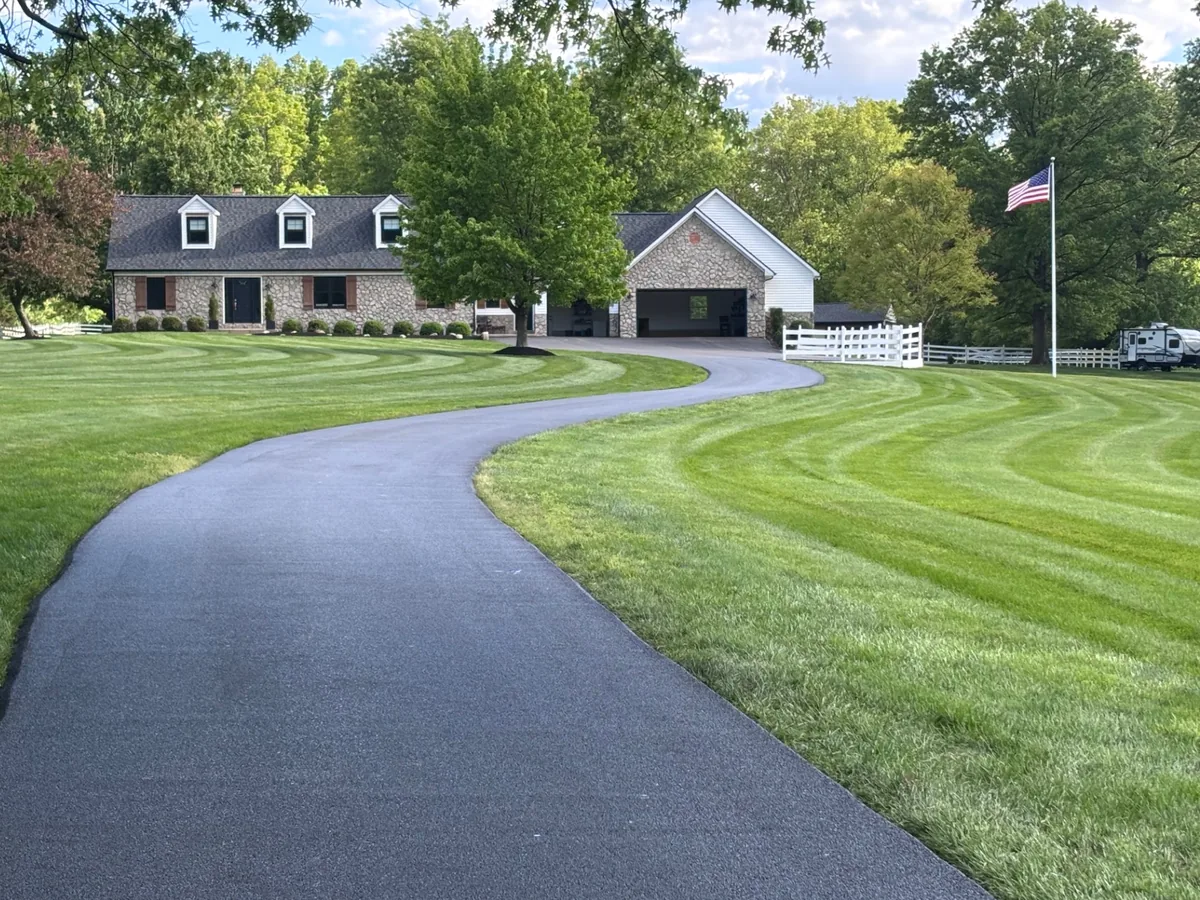
Sealcoating puts a protective coat over asphalt that is still sound. We clean the pavement, fill the cracks, treat oil spots and spray the sealer on driveways and parking lots.
Learn More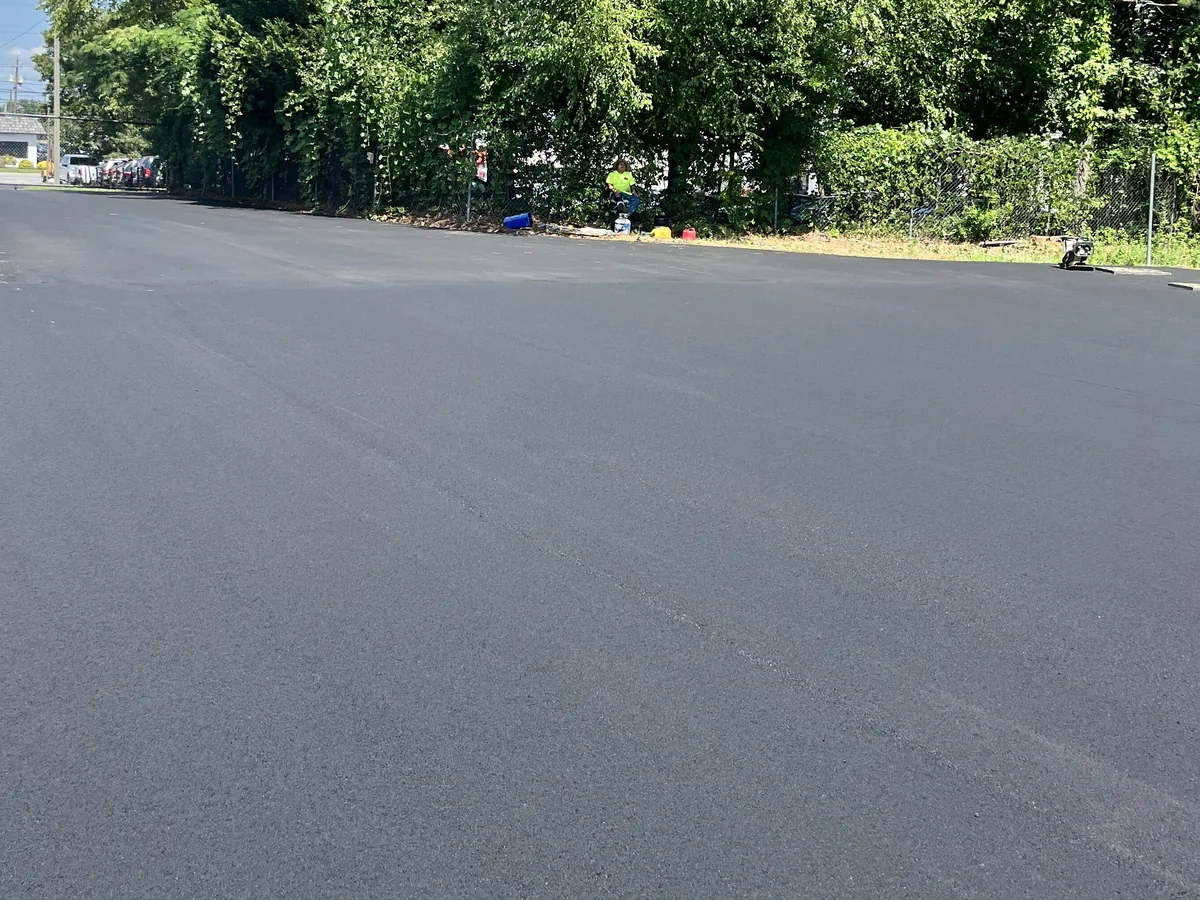
We pave new parking lots and replace worn out ones for businesses across Northwest Georgia. The base, the drainage and the asphalt thickness are built for the traffic your lot carries.
Learn MoreThe site gets graded for drainage, then stone base goes down and is compacted in layers. Hot mix asphalt only goes on top of work that is already solid.
We run our own paver, rollers, dump trucks and a track loader. The asphalt gets laid and rolled while it is hot.
Driveways, parking lots, farm lanes and private roads all get paved the same way. We work for homeowners, businesses, churches, HOAs and private road owners.
We work Northwest Georgia and the north side of metro Atlanta, about 50 miles around. Larger paving projects go farther out.
Georgia Asphalt Pros is an asphalt paving company based in Cartersville. Call or text (706) 844-2123, or send the form and we will come look at the site.
Tell us about the job and where it is. We will call or text you back.